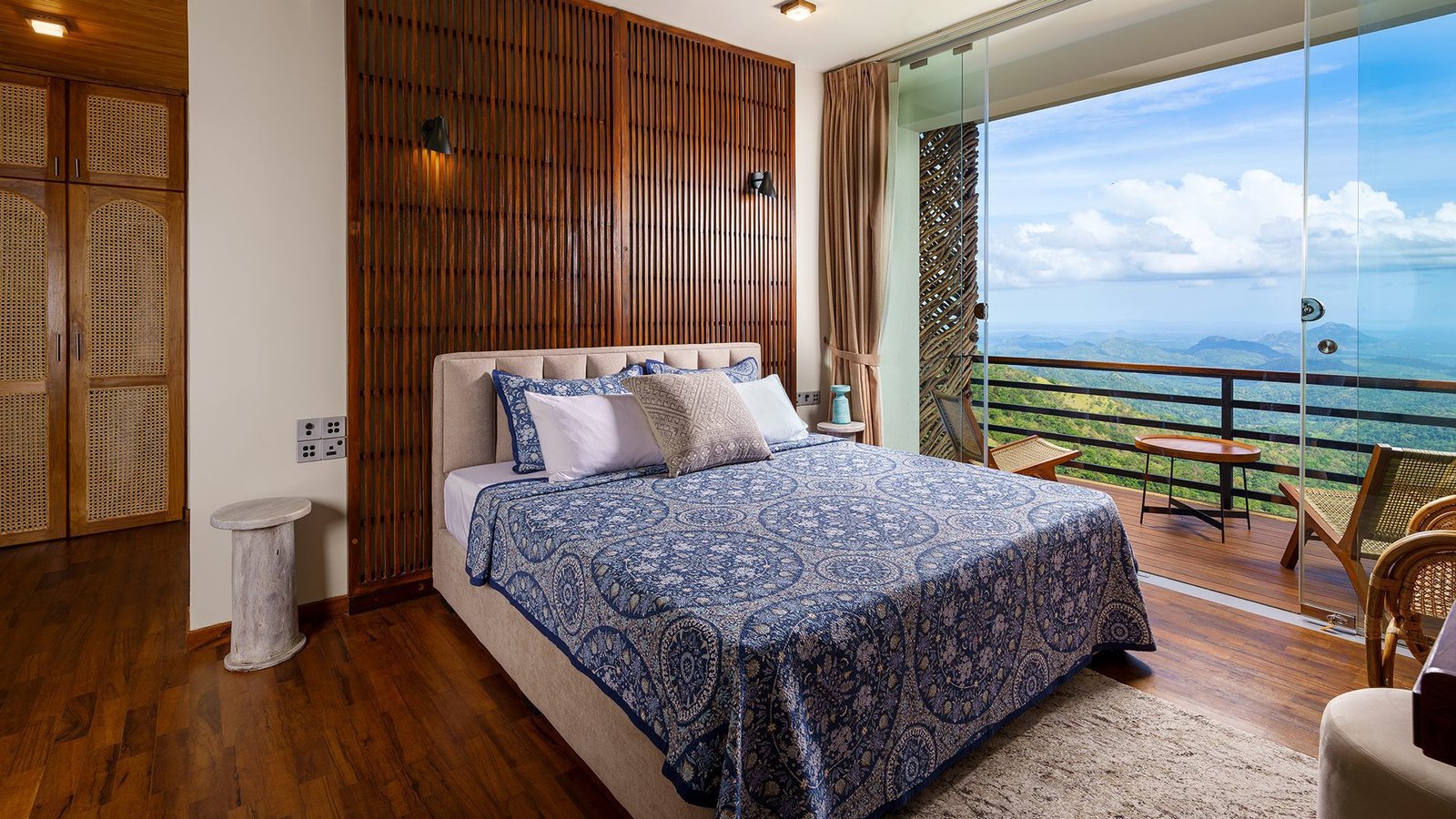
The hospitality industry is evolving rapidly, and hotel interior design plays a critical role in shaping guest experiences. In 2026, successful hotels are no longer defined only by luxury finishes or beautiful furniture. Instead, they are designed as immersive environments that create memorable emotional experiences for guests.
Today’s travellers expect more than just a place to stay. They look for comfort, identity, atmosphere, and stories within the spaces they visit. This is why the most successful hotels carefully integrate architecture, interior design, technology, and hospitality branding into one cohesive experience.
As a Chartered Architect and Interior Designer with over 17 years of professional experience, I have seen that the most successful hotel interiors follow a set of strategic design principles. These principles transform hotels into destinations that guests remember, recommend, and return to.
This article explores the key secrets behind successful hotel interior design in 2026.
1. Designing Experiences, Not Just Spaces
One of the biggest shifts in modern hospitality design is the focus on experience driven environments.
Guests today want hotels that feel unique and memorable. This means interior design must go beyond functional planning and instead create emotional connections with visitors.
Successful hotels often achieve this by,
- Creating strong visual identities
- Designing unique arrival experiences
- Integrating storytelling into the interior concept
- Using lighting, textures, and materials to shape mood
When guests feel emotionally connected to a space, they are far more likely to share their experiences on social media and recommend the hotel to others.
2. The Power of the First Impression: Lobby Design
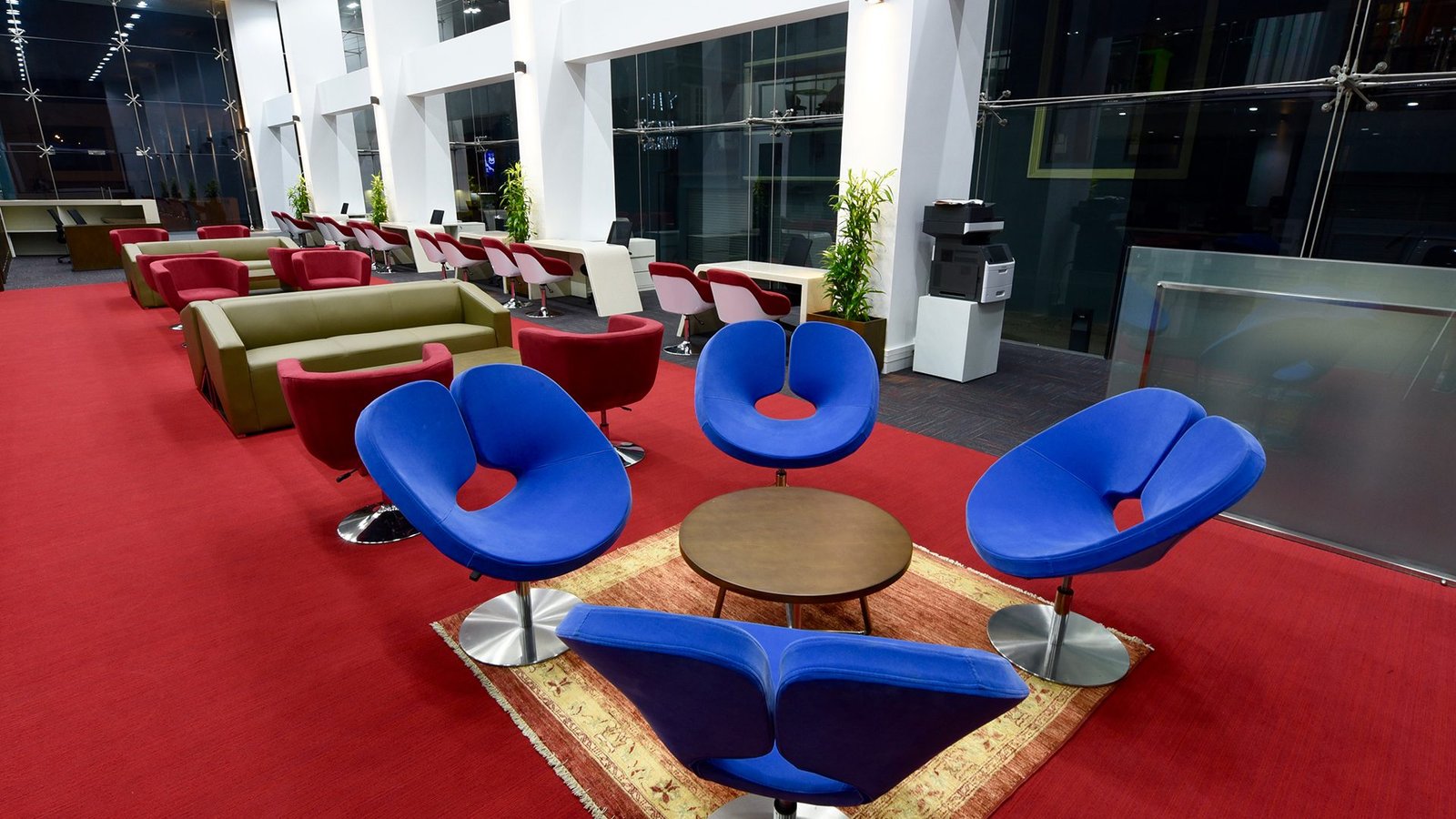
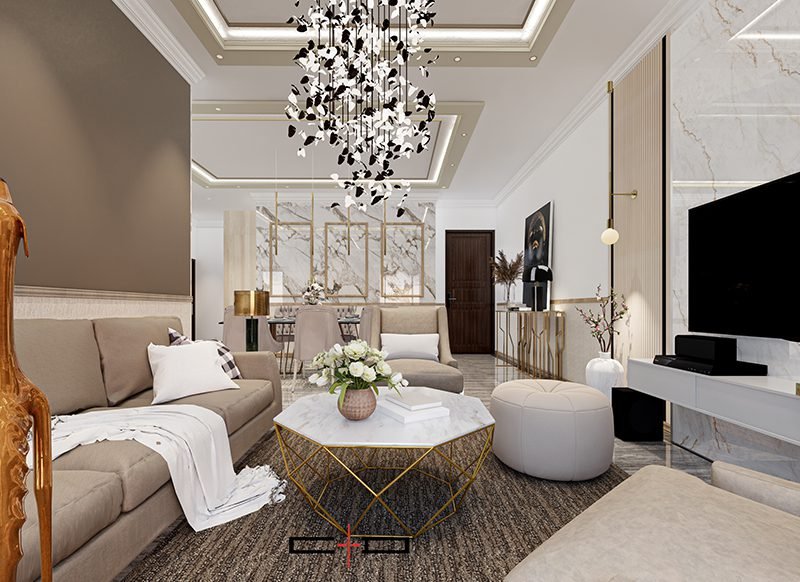
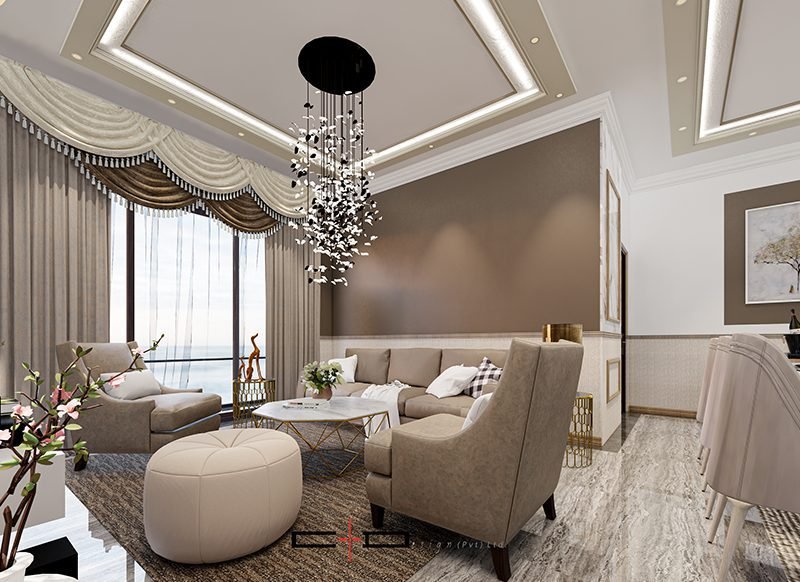
The hotel lobby is one of the most important interior spaces in any hospitality project. It acts as the first physical interaction between the guest and the hotel brand.
In 2026, hotel lobbies are evolving into multi-functional social spaces rather than simple reception areas.
Modern hotel lobbies often include,
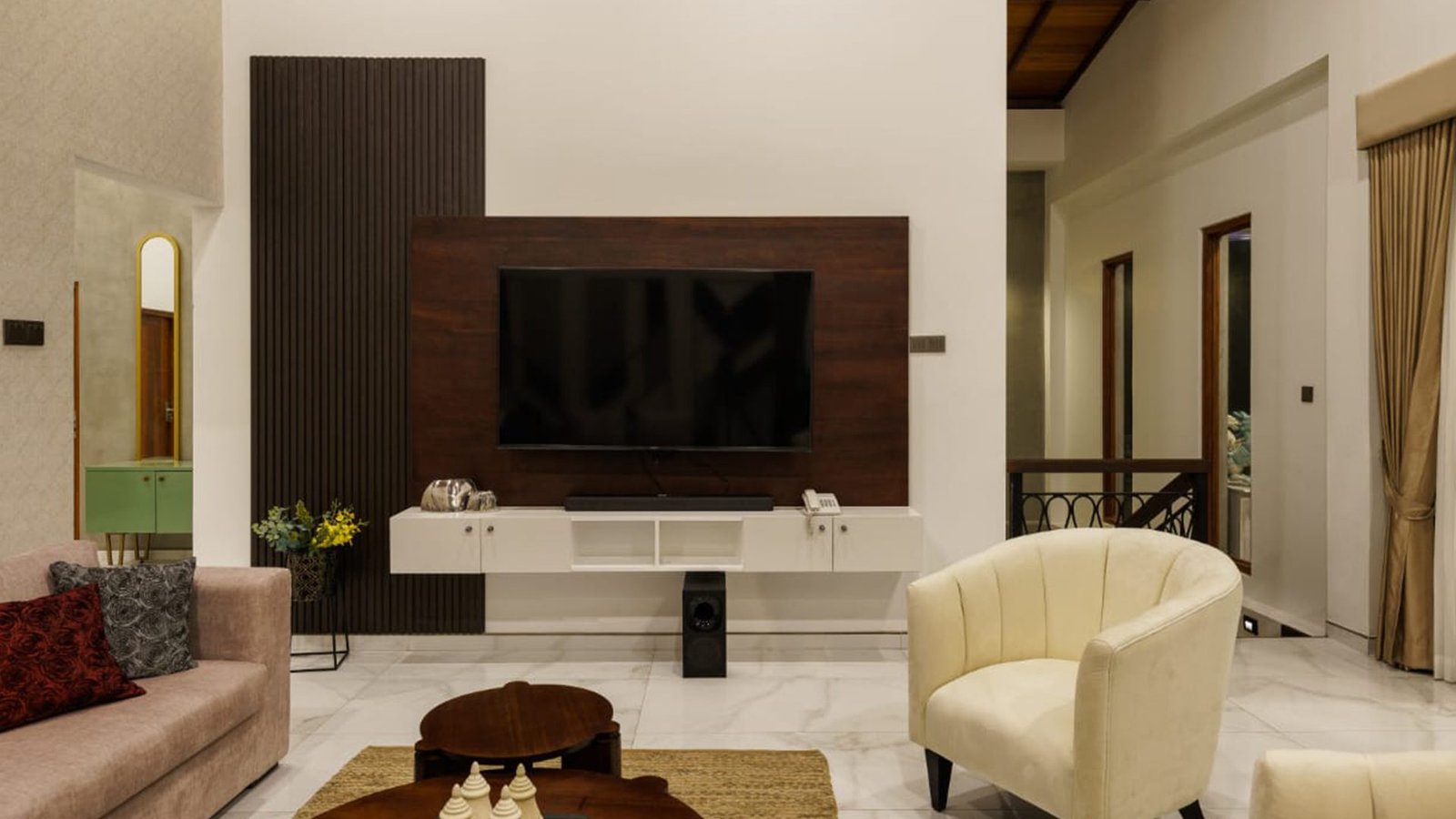
- Lounge style seating areas
- Cafe or bar spaces
- Flexible meeting zones
- Art installations or statement design elements
The goal is to create an environment where guests feel comfortable spending time, not just passing through.
A well-designed lobby instantly communicates the hotel’s identity, whether it is luxury, boutique, business, or lifestyle hospitality.
3. Guest Room Design Focused on Comfort and Function
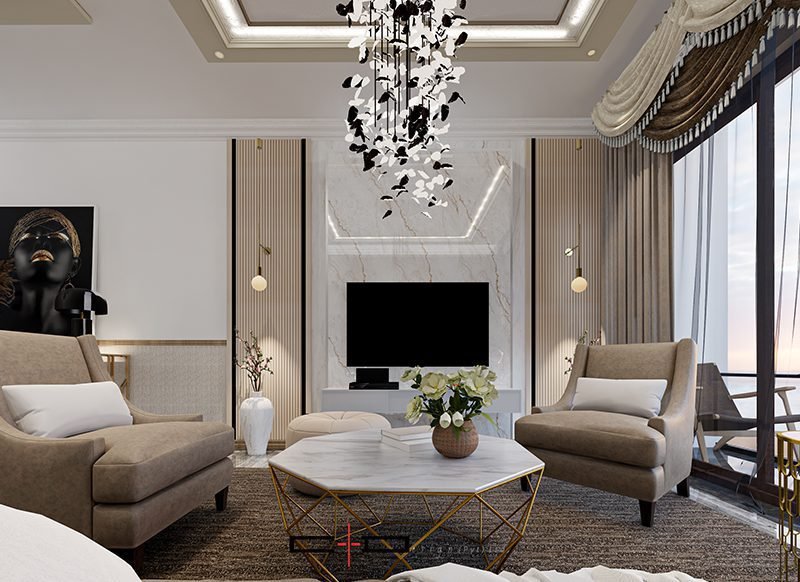
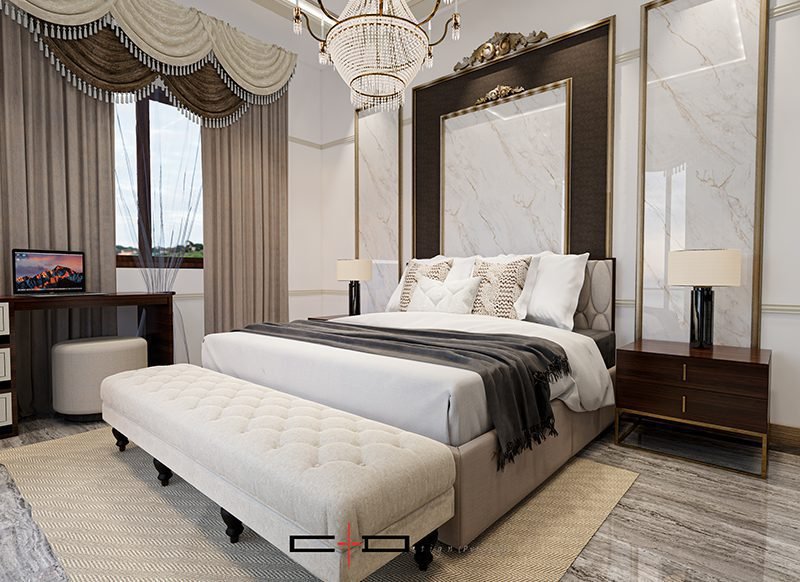
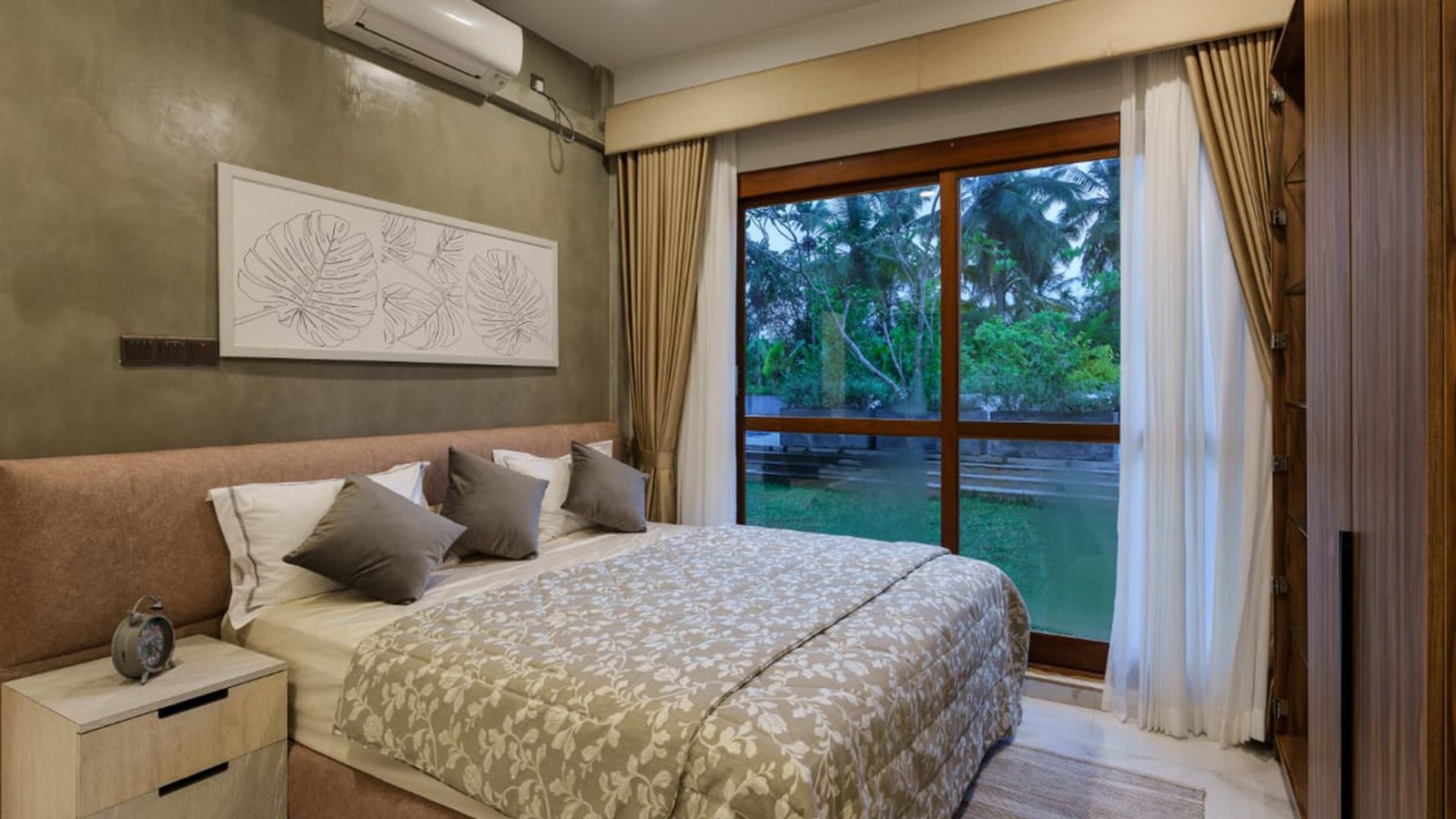
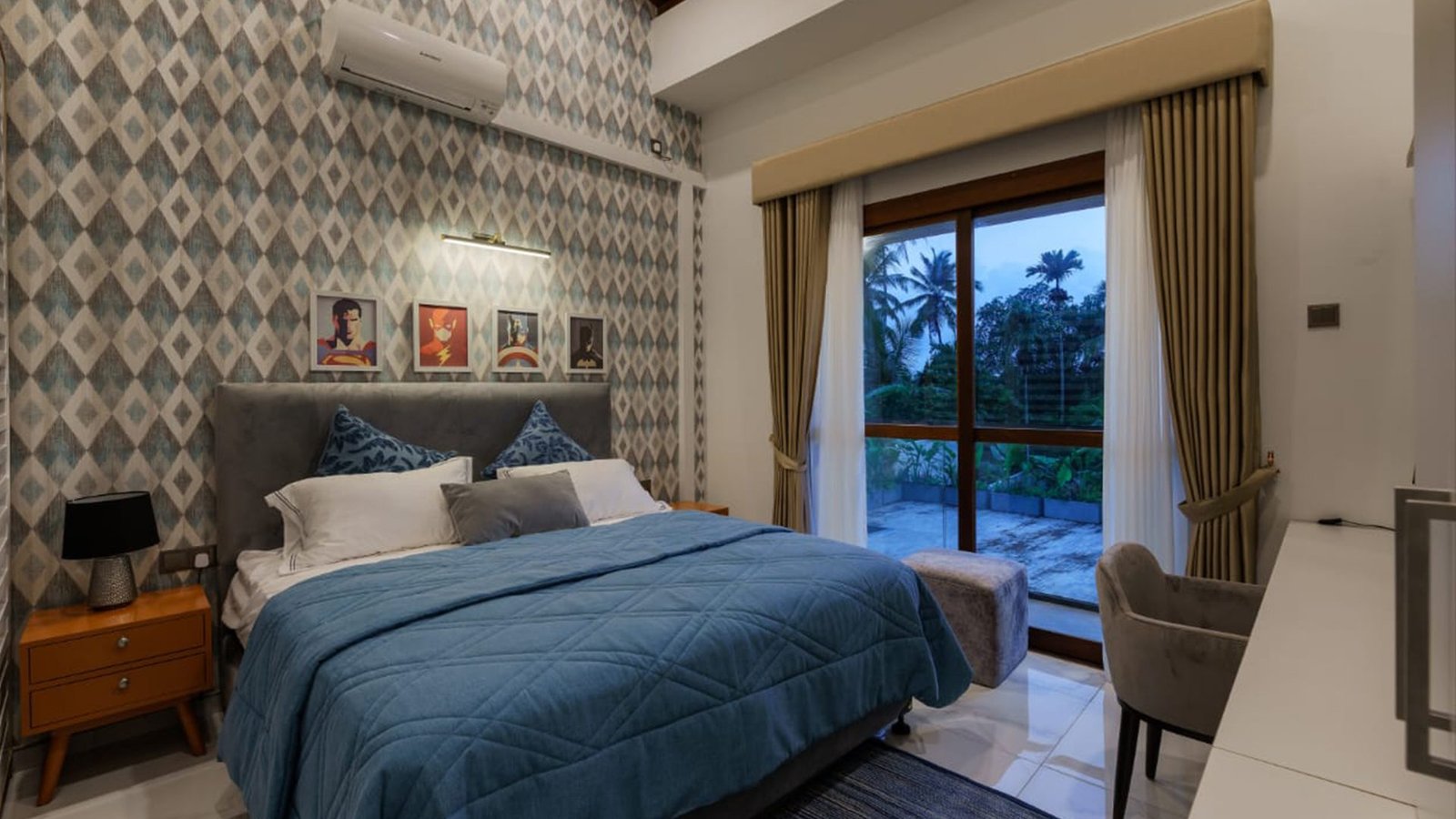
Guest rooms remain the heart of hotel design. However, modern guests expect rooms that balance comfort, functionality, and technology.
Successful hotel room design in 2026 typically includes:
- Ergonomic furniture and smart space planning
- High quality mattresses and bedding
- Multiple lighting layers for different moods
- Integrated charging points and smart controls
- Acoustic insulation for privacy and relaxation
Small details such as lighting placement, bedside controls, and storage efficiency significantly influence guest satisfaction.
Designers must ensure that rooms feel intuitive, comfortable, and effortlessly functional.
4. Creating Instagram able Spaces
In the age of social media, interior design has become a powerful marketing tool for hotels.
Guests frequently share photos of visually striking spaces on platforms such as Instagram, effectively promoting the hotel to thousands of potential visitors.
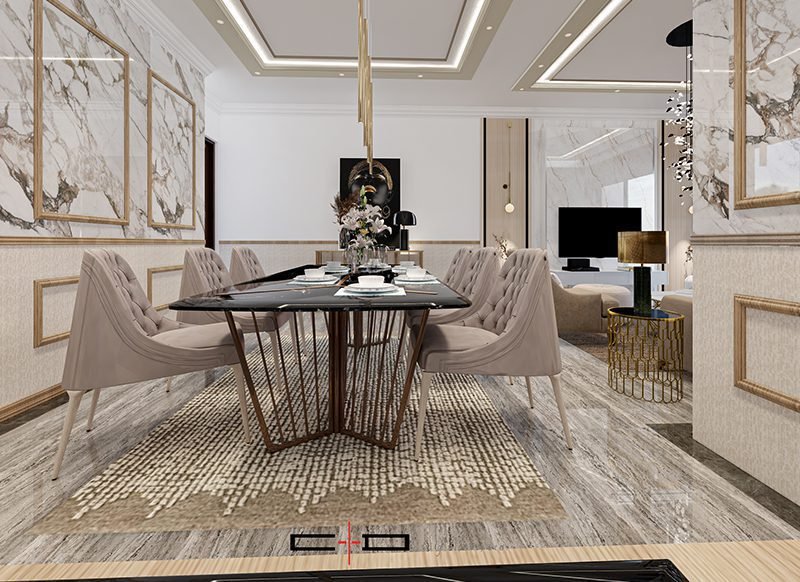
Successful hotel interiors often include photogenic design moments, such as:
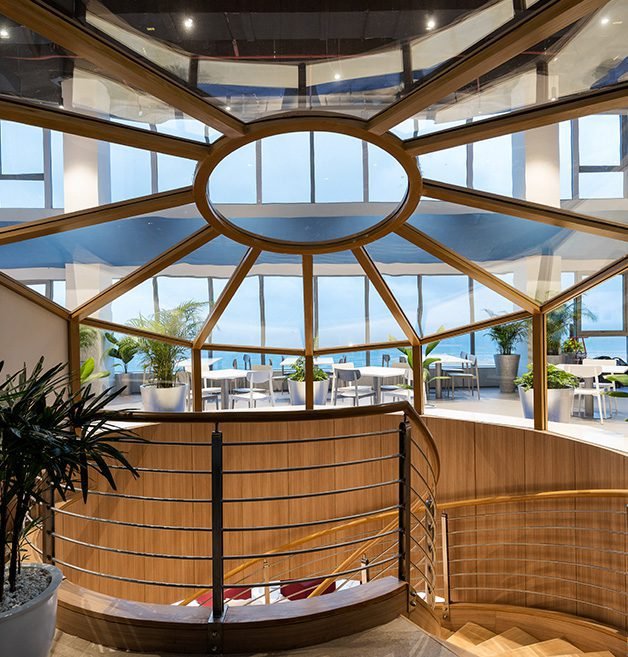
- Statement staircases
- Artistic lighting installations
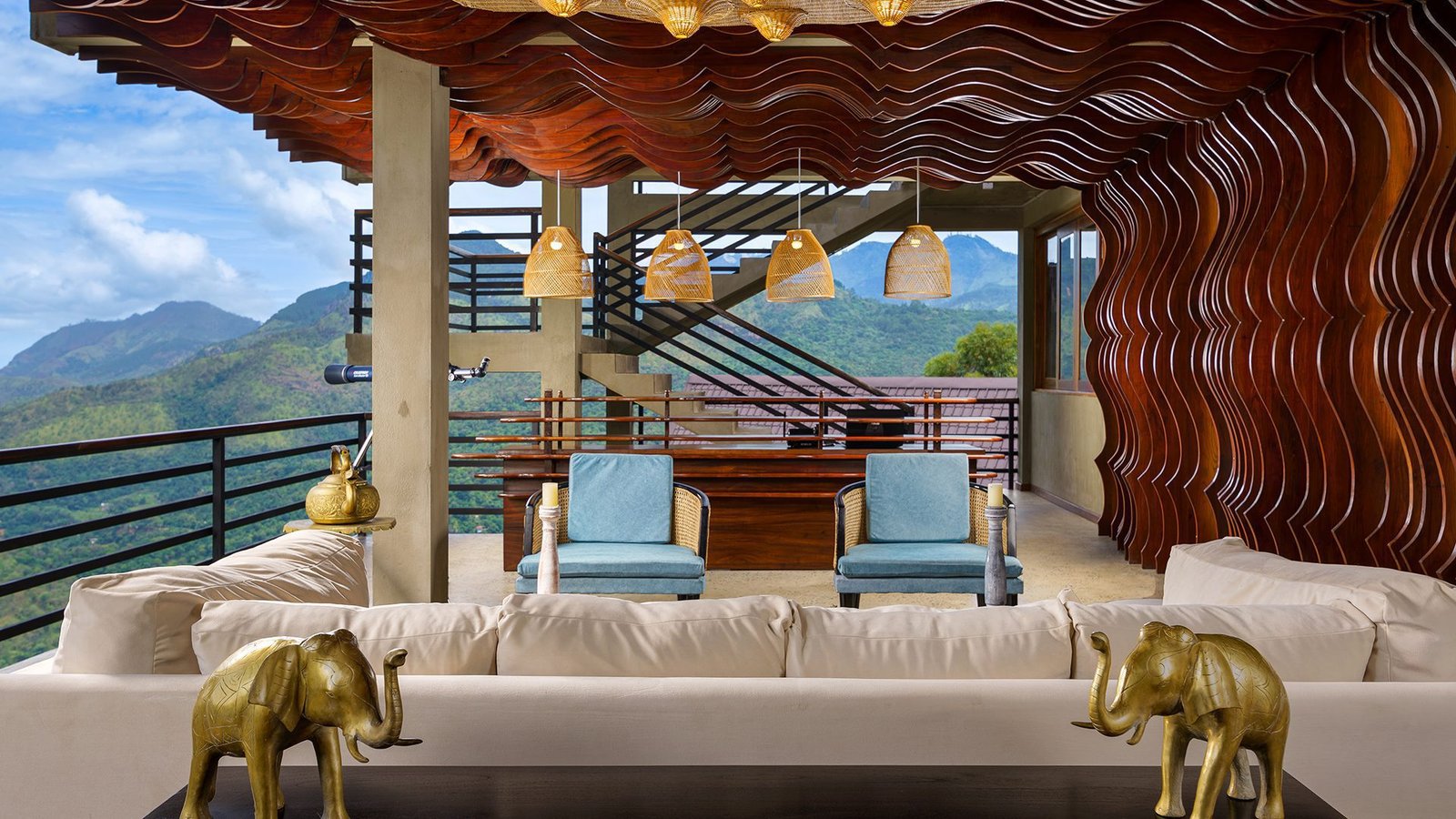
- Signature wall features
- Unique furniture pieces
- Rooftop lounges with dramatic views
These design elements encourage guests to interact with the space and create shareable experiences.
5. The Influence of Local Culture and Identity
Modern hospitality design increasingly emphasizes authenticity and cultural storytelling.
Hotels that incorporate local materials, craftsmanship, and design influences often feel more meaningful and memorable to guests.
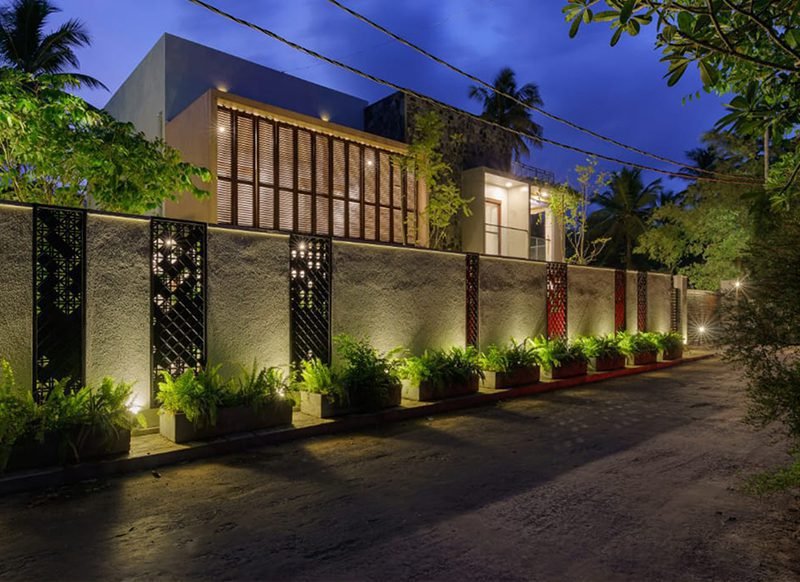
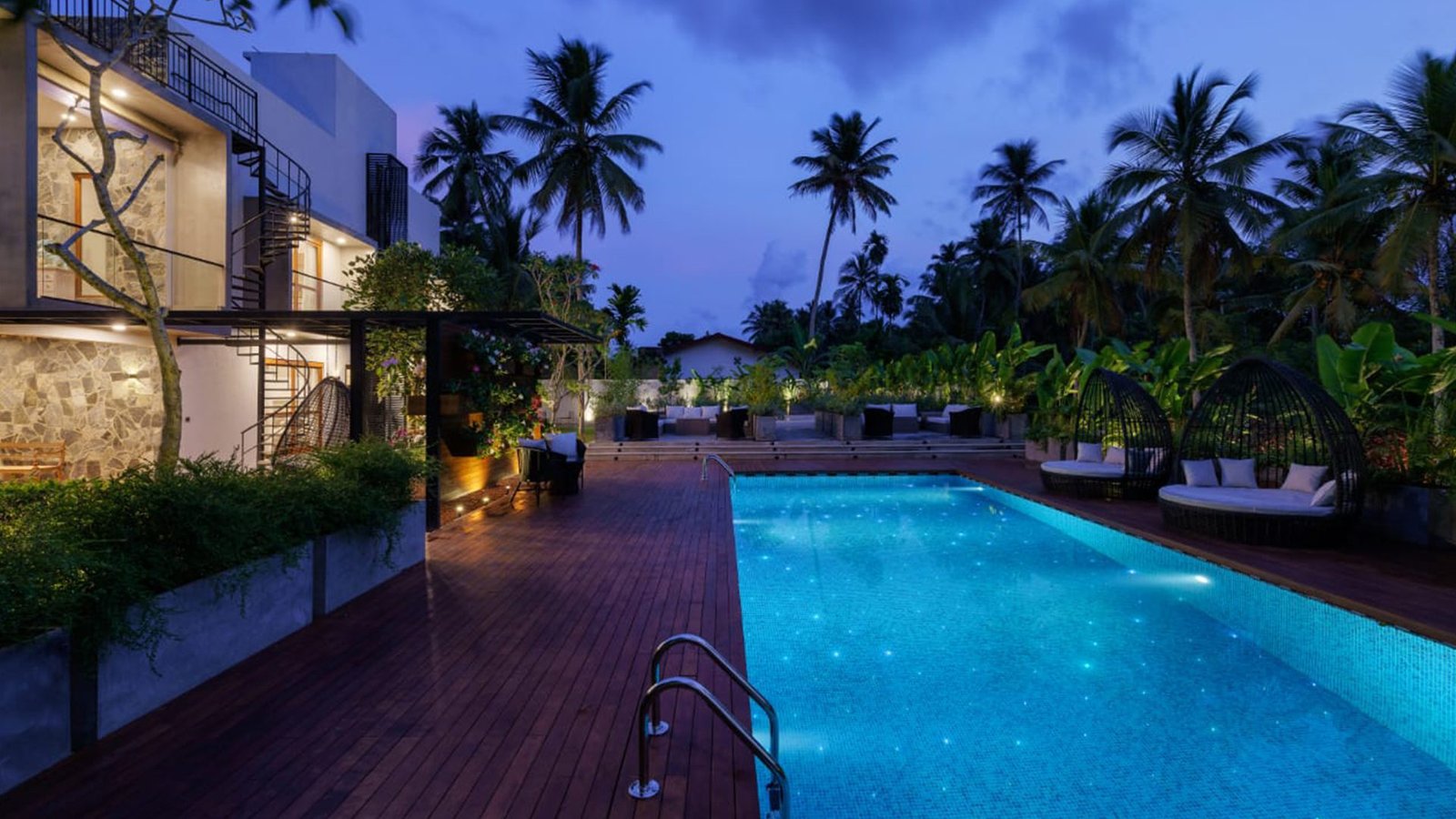
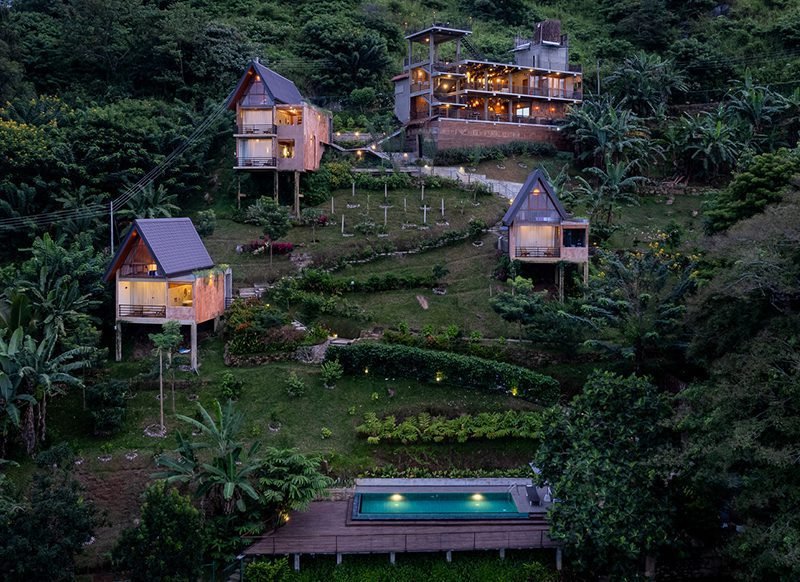
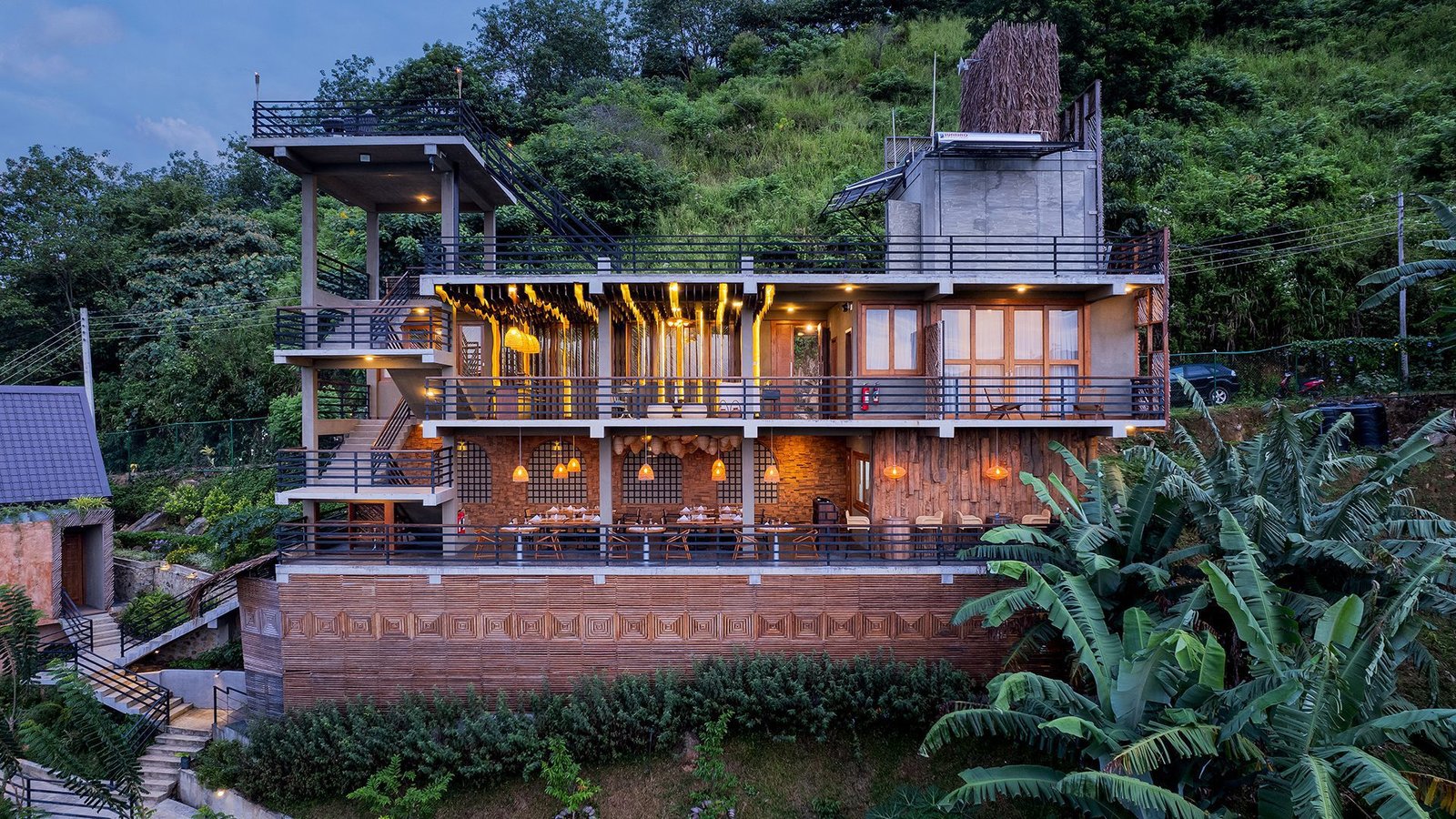
For example, in tropical destinations like Sri Lanka, designers can incorporate:
- Natural timber and stone finishes
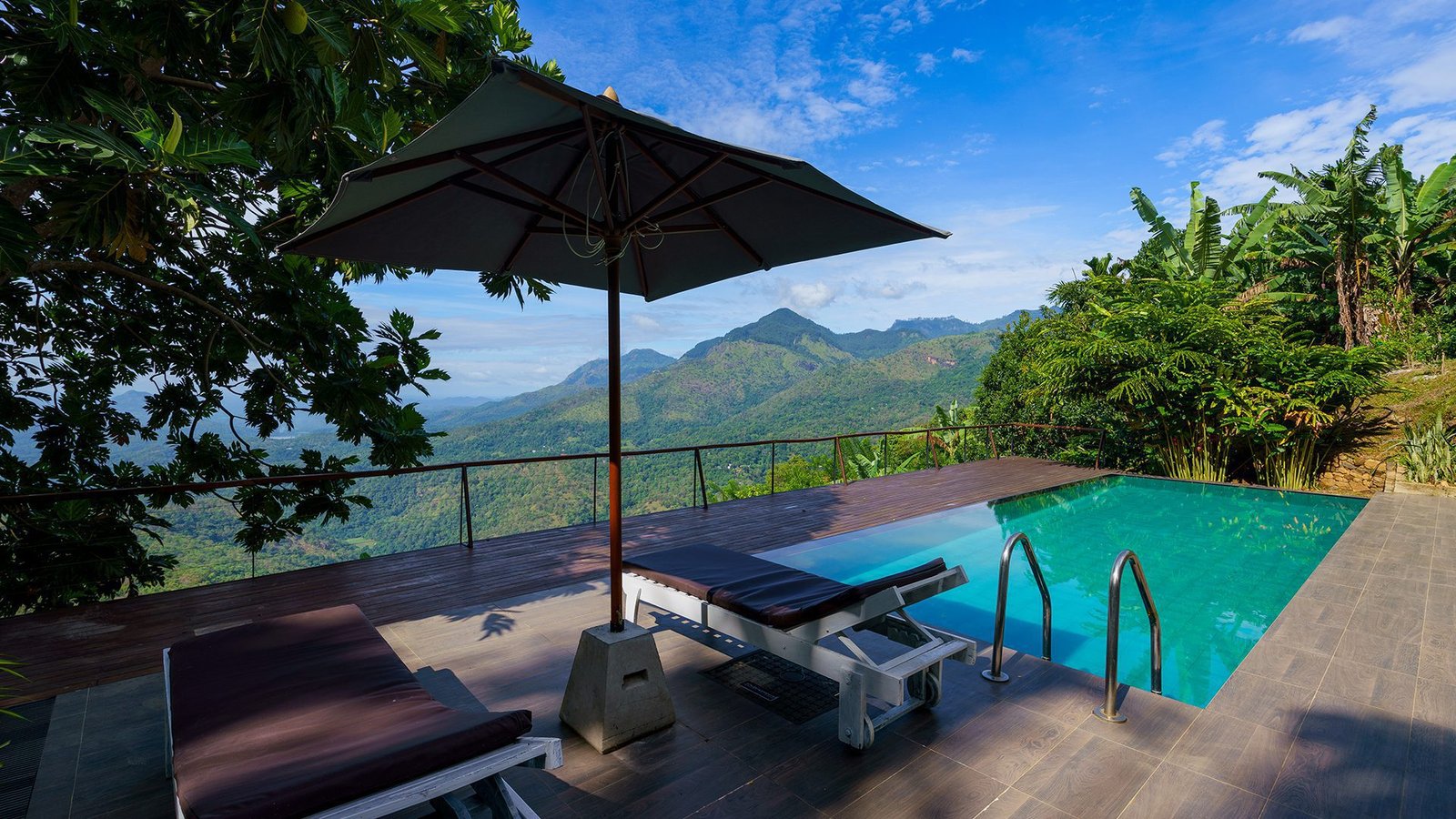
- Tropical landscape integration
- Local artisan craftsmanship
- Traditional textures and patterns
This approach creates a sense of place and allows the hotel to feel connected to its surroundings rather than appearing generic.
6. Wellness and Relaxation as Design Priorities
Health and well-being have become key considerations in hospitality design.
Guests today value environments that promote relaxation and mental well-being. Successful hotel interiors therefore integrate design features that support wellness.
These may include:
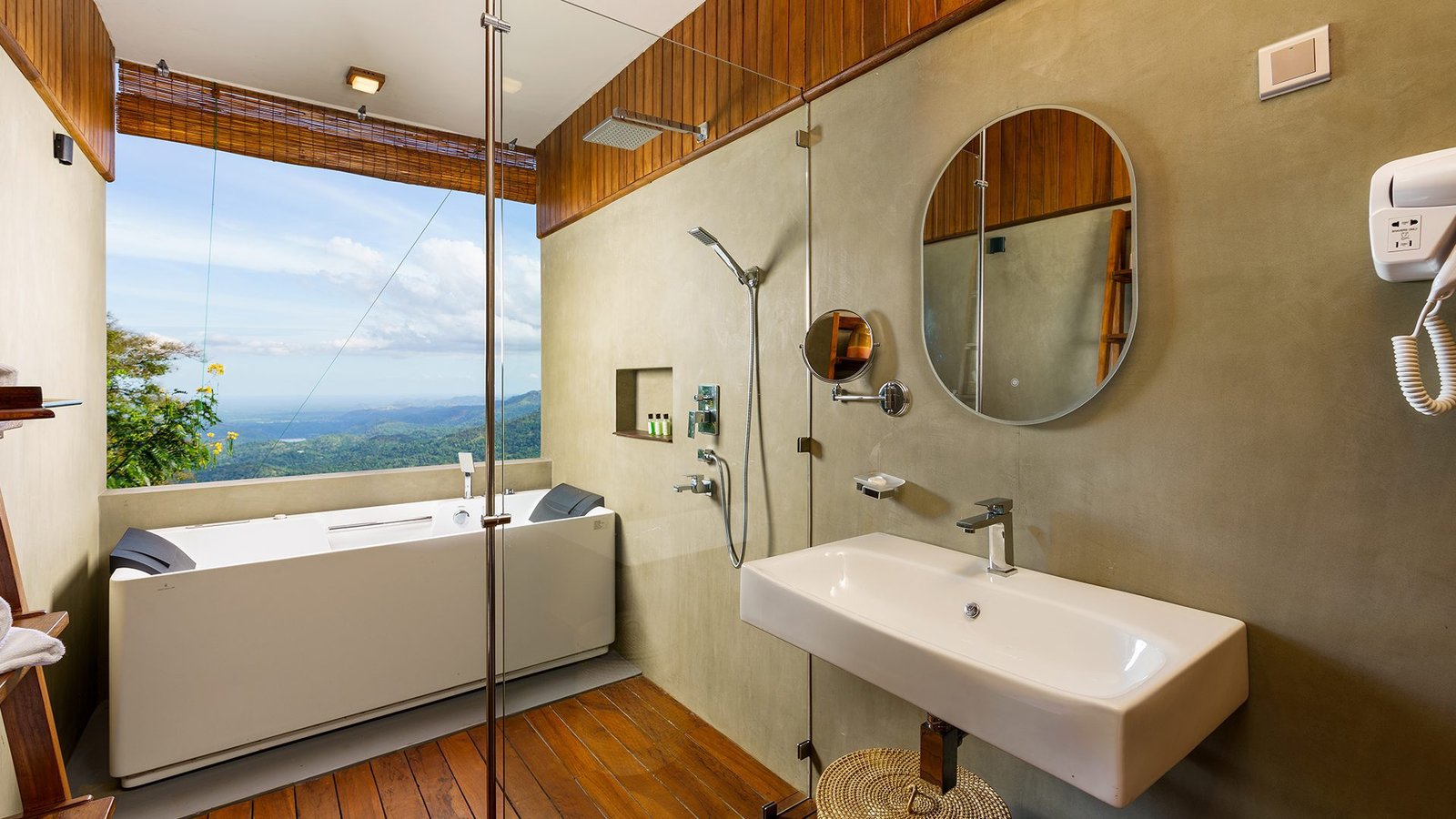
- Natural daylight and open views
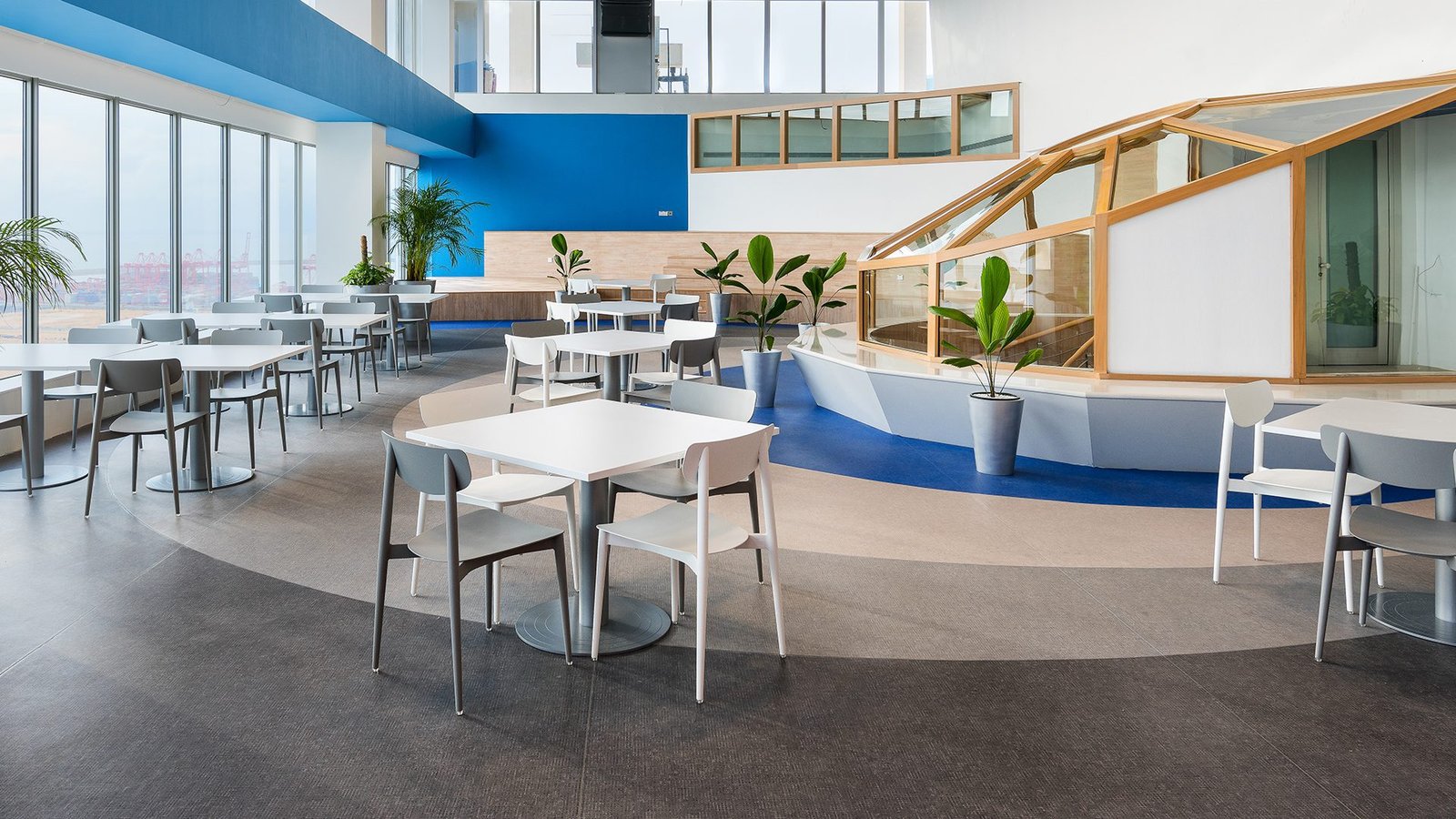
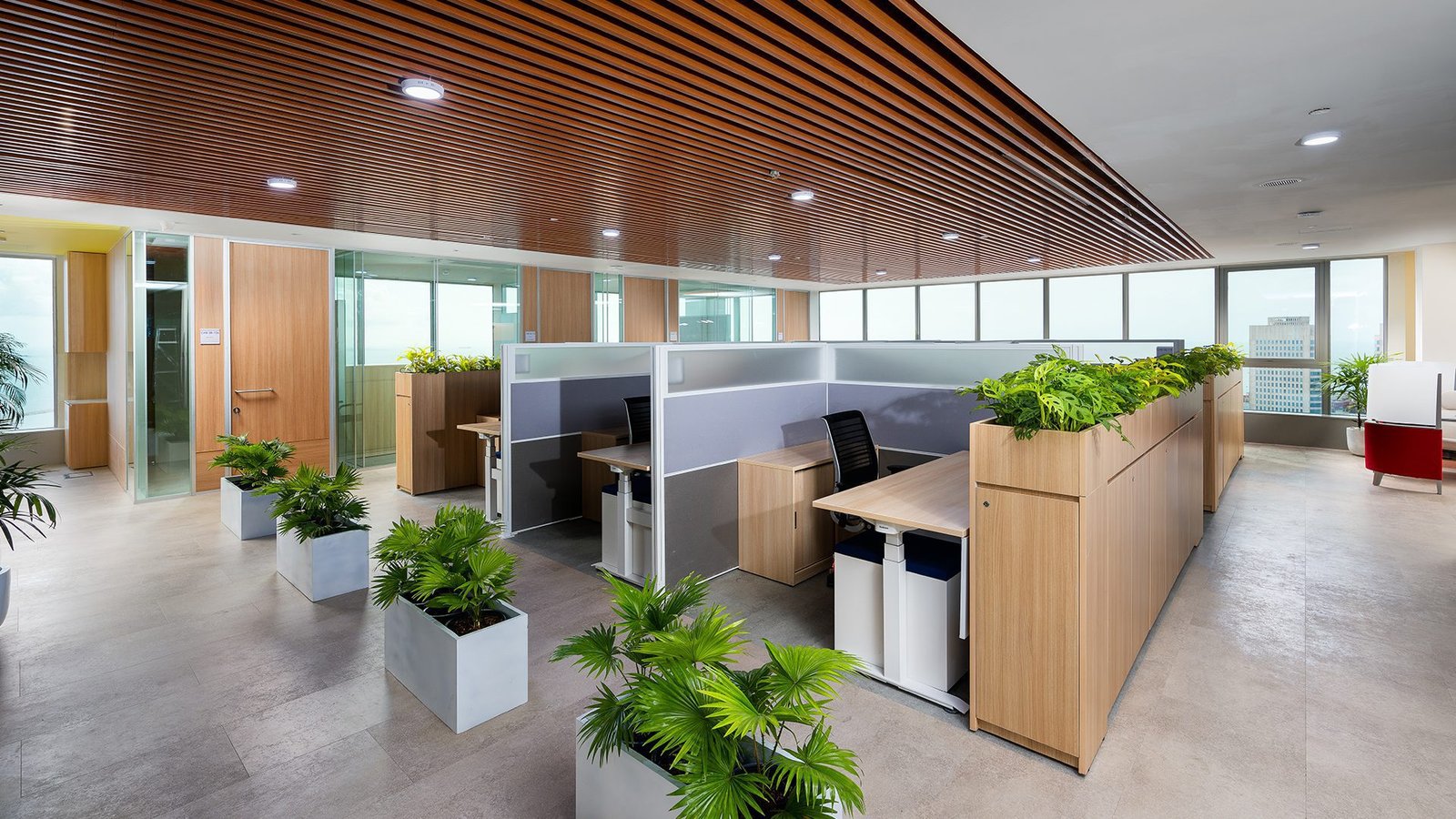
- Indoor greenery and biophilic design
- Spa-inspired bathrooms
- Quiet relaxation areas
- Calming colour palettes and natural materials
Hotels that prioritize well-being create spaces where guests feel refreshed and rejuvenated during their stay.
7. Smart Technology in Hospitality Design
Technology has become an essential component of modern hotel interiors.
Smart systems enhance convenience and personalization for guests while improving operational efficiency for hotel management.
Examples include:
- Smart room controls for lighting and temperature
- Mobile check-in and digital room keys
- Automated curtains and lighting scenes
- Integrated entertainment systems
- Energy efficient smart building systems
The goal is to integrate technology seamlessly without overwhelming the design aesthetic.
The Future of Hotel Interior Design
The most successful hotel interiors in 2026 combine design intelligence, emotional experience, and functional excellence.
Rather than simply focusing on luxury finishes, designers must create environments that:
- Reflect strong brand identities
- Provide exceptional comfort and functionality
- Encourage social interaction and memorable experiences
- Integrate local culture and materials
- Support wellness and sustainability
When these elements are carefully balanced, hotel interiors become powerful tools for guest satisfaction, brand recognition, and long-term business success.
About the Author
Architect Chinthaka Dayaratne is a Chartered Architect and Interior Designer with over 17 years of experience in residential, hospitality, and commercial design projects.
He is the founder of C Plus Design and co-founder of Nova Casa, a premium design and construction firm delivering bespoke architectural and interior solutions across Sri Lanka. His work focuses on creating high-quality architectural and interior environments that combine aesthetics, functionality, and long-term value.

I am Chinthaka Dayaratne as a Chartered Architect and Interior Designer in Sri Lanka, I specialize in creating modern, progressive spaces that seamlessly blend the interior and exterior bringing a futuristic experience to life today.