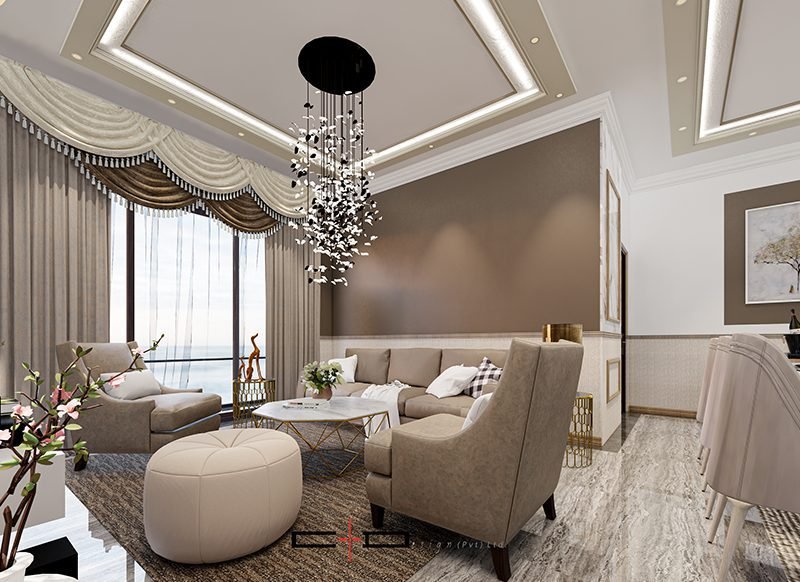
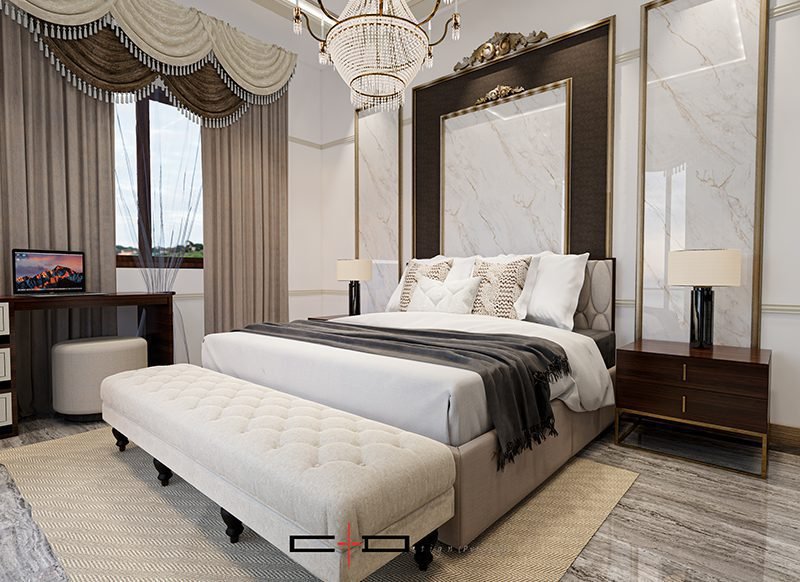
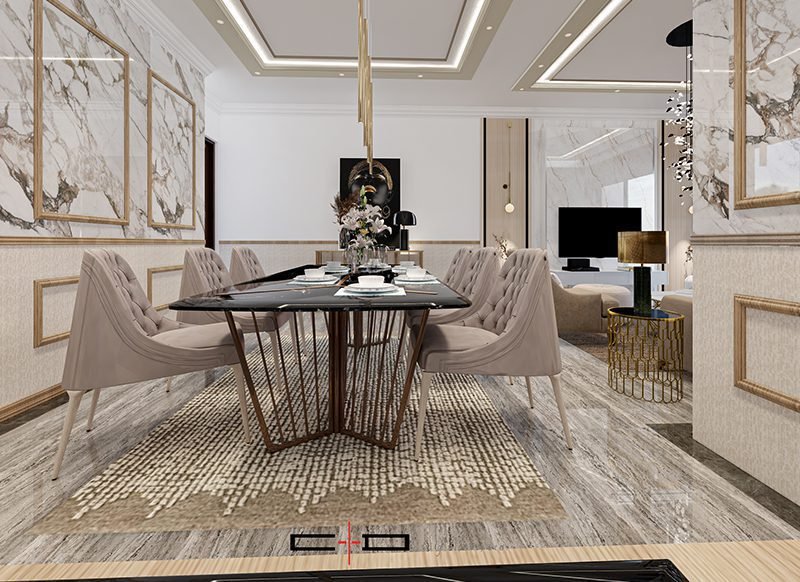
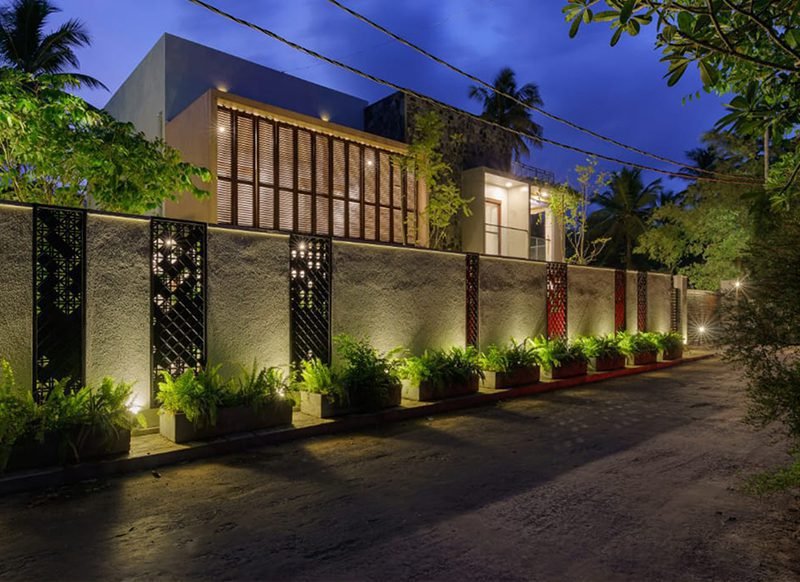
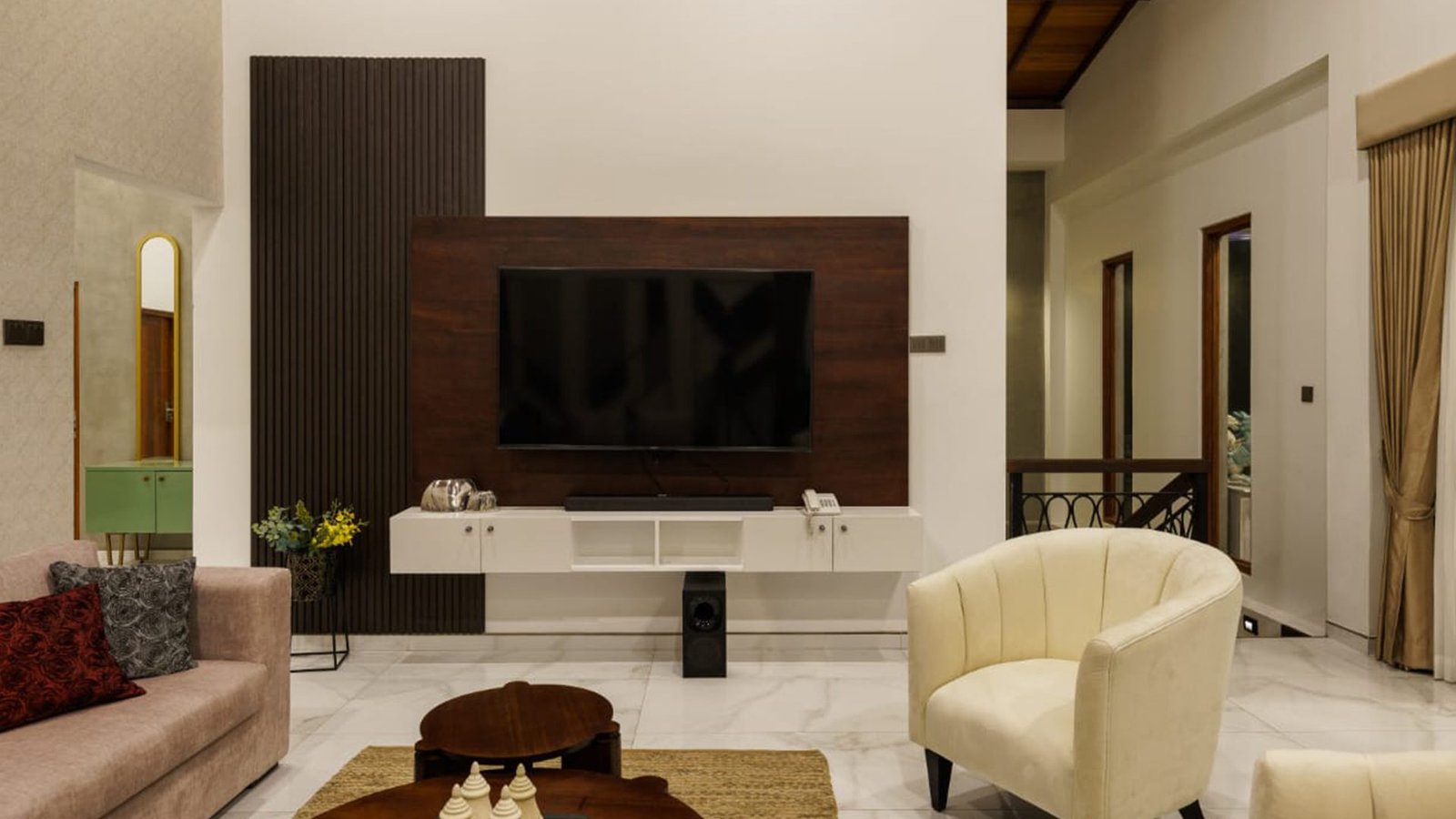
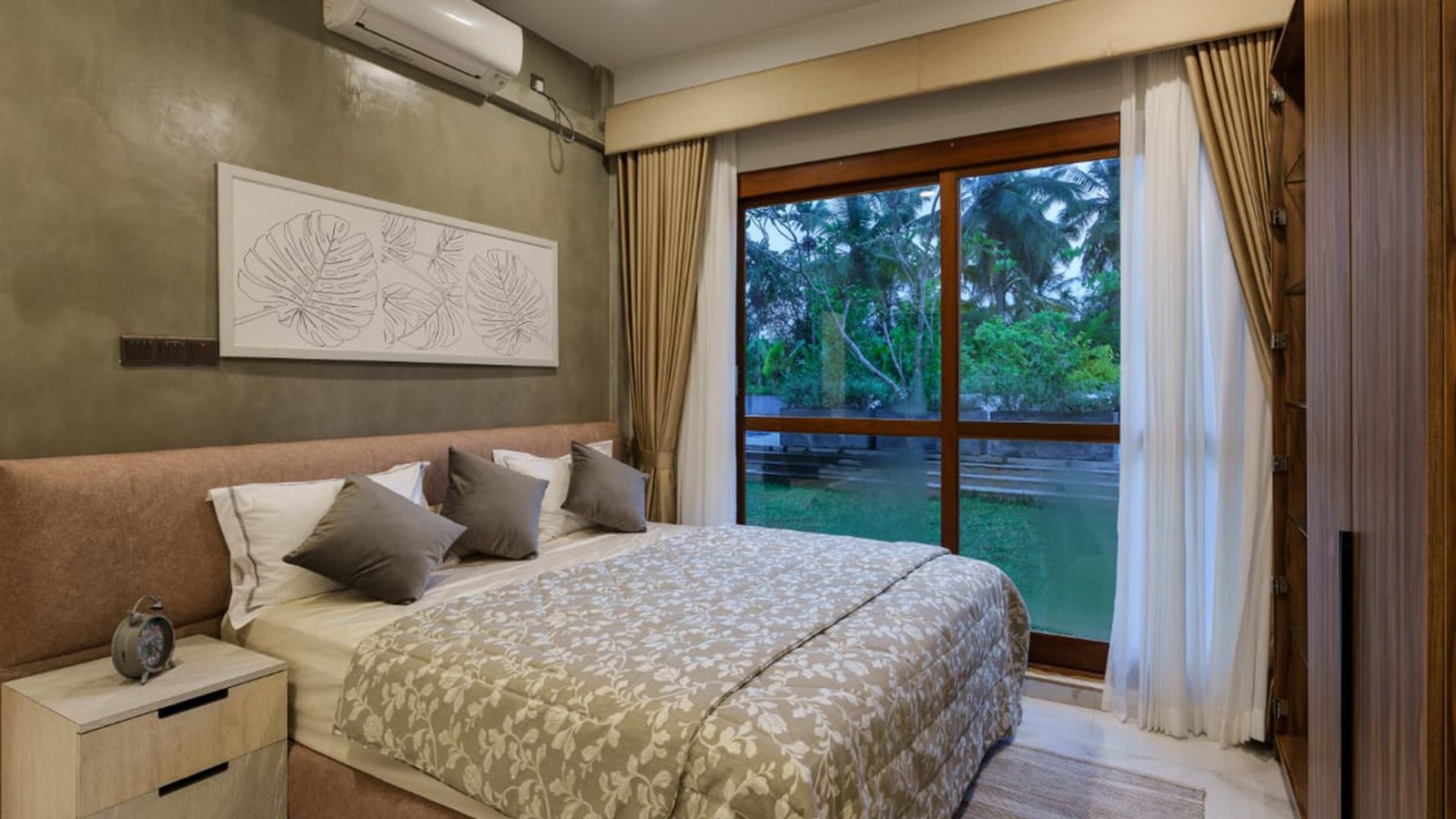
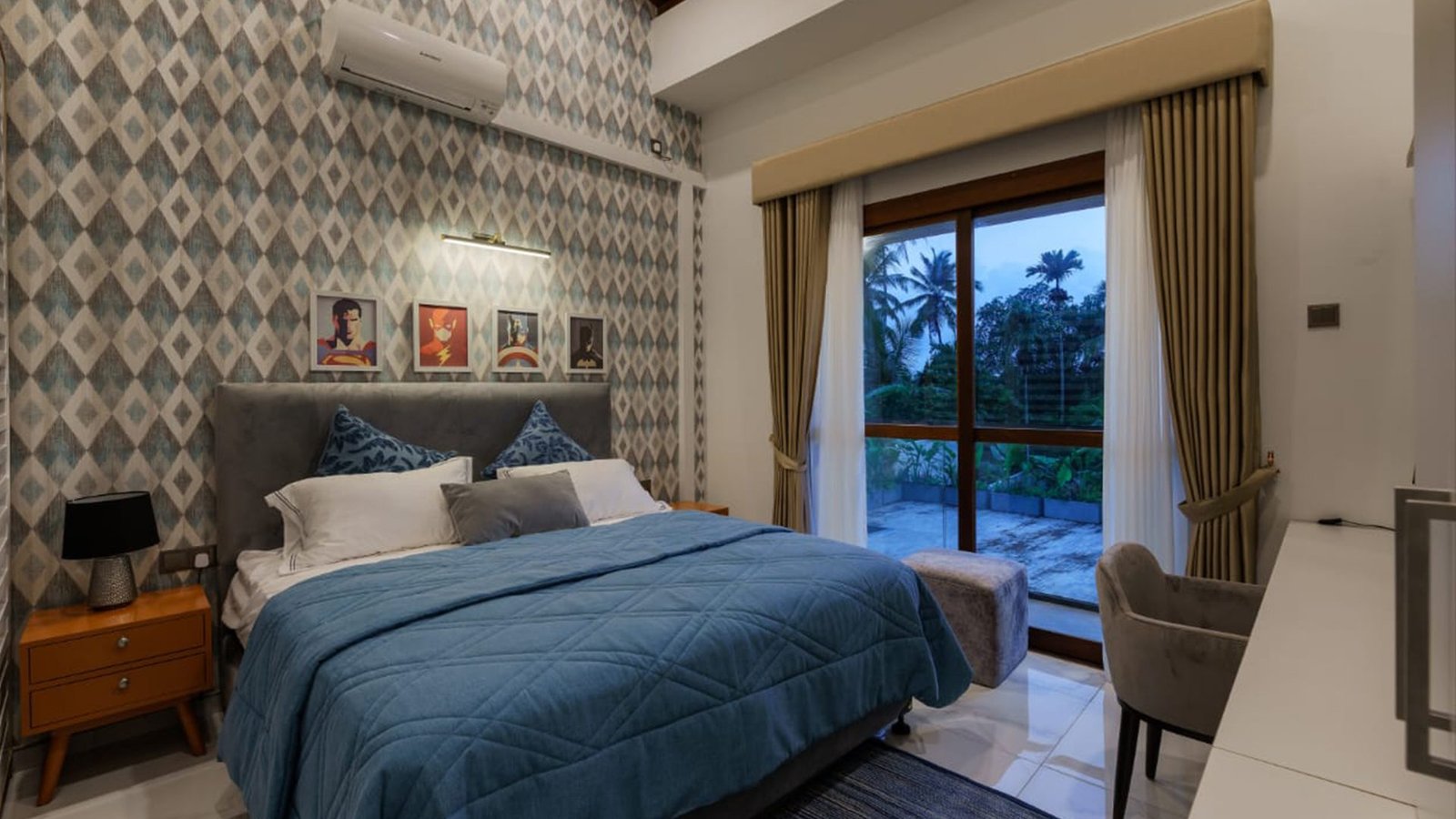
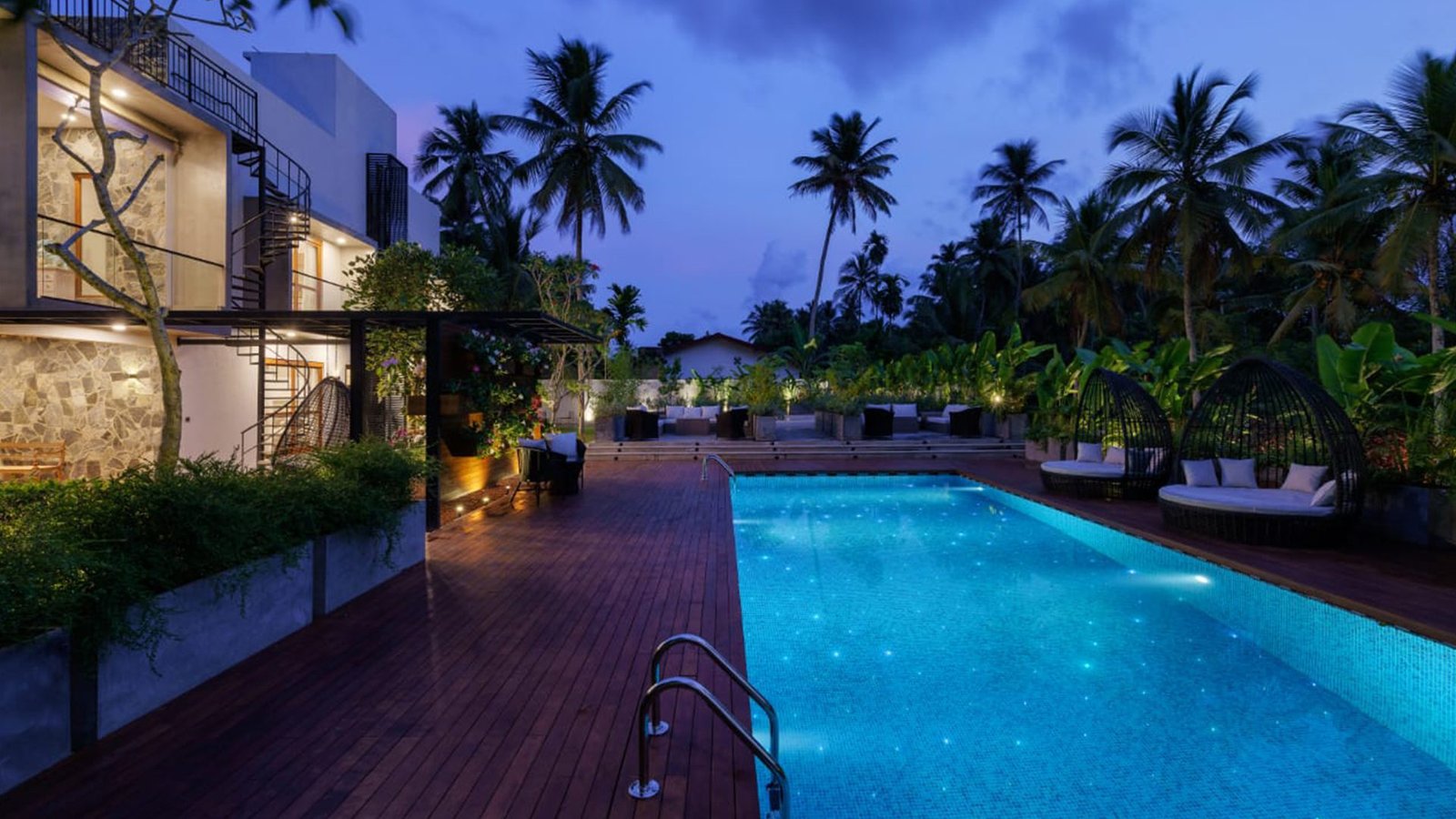
Many homeowners invest large amounts of money into furniture, finishes, and decoration, yet their homes still fail to look refined or luxurious. The problem is rarely the budget it is usually the design decisions.
Luxury interior design is not about adding more expensive items. Instead, it is about balance, proportion, lighting, materials, and spatial harmony.
As an architect and interior designer with over 17 years of professional experience, I have observed several recurring mistakes that make interiors look visually cheap, even when expensive materials are used.
Understanding these mistakes can dramatically improve the quality and value of any home.
This article explains 10 common interior design mistakes and how to avoid them.
1. Poor Lighting Design
Lighting is one of the most critical elements in interior design, yet it is often overlooked.
Many homes rely on a single ceiling light, which creates flat and harsh lighting.
Professional interior designers use layered lighting, which includes:
- Ambient lighting (general illumination)
- Task lighting (functional lighting)
- Accent lighting (highlighting architectural features)
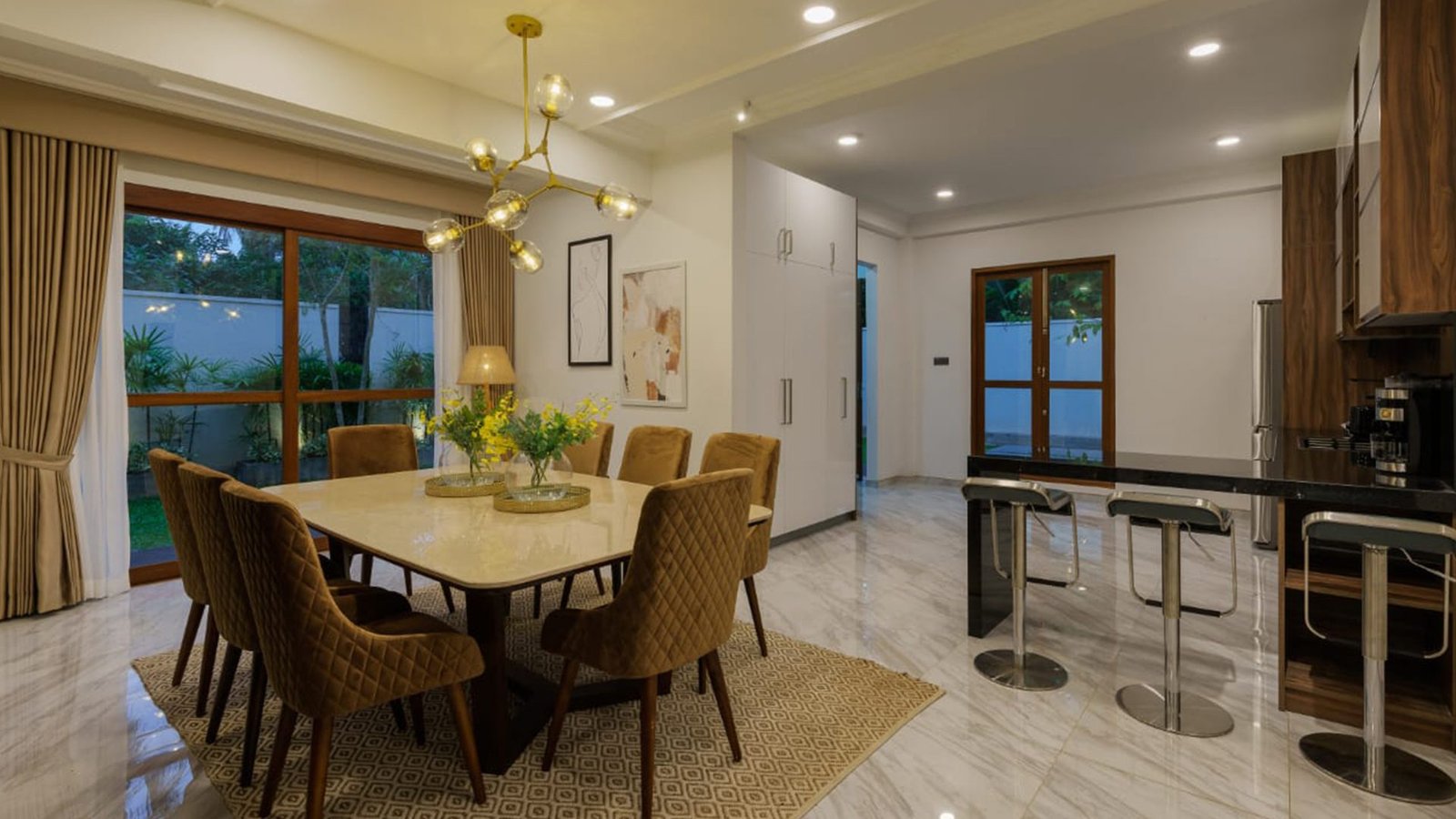
Using warm lighting, concealed LED strips, and feature lighting can significantly enhance the atmosphere of a room.
2. Overcrowded Furniture Layout
A room filled with too much furniture will immediately feel cluttered and uncomfortable.
Luxury interiors are defined by space and visual breathing room.
Instead of filling every corner with furniture, choose a few well-designed pieces and arrange them carefully to create balance and flow.
3. Incorrect Furniture Scale
Furniture that does not match the scale of the room disrupts the entire interior composition.
Examples include:
- Small furniture in a large living room
- Oversized sofas in compact spaces
- Coffee tables that are either too small or too large
Interior designers always consider scale and proportion to maintain visual harmony within a space.
4. Poor Ceiling Design
The ceiling is often referred to as the fifth wall in interior design, yet many homes ignore it or overload it with unnecessary decorative elements.
Common mistakes include:
- Excessive gypsum patterns
- Poor lighting integration
- Random ceiling shapes
A well-designed ceiling should complement the architecture and support the lighting design without overwhelming the room.
5. Low Quality Materials
Mixing cheap materials with expensive elements often creates a visually inconsistent space.
Examples include:
- Low-quality laminates combined with natural stone
- Cheap tiles next to premium furniture
- Plastic finishes in luxury interiors
Luxury design relies on material consistency and quality.
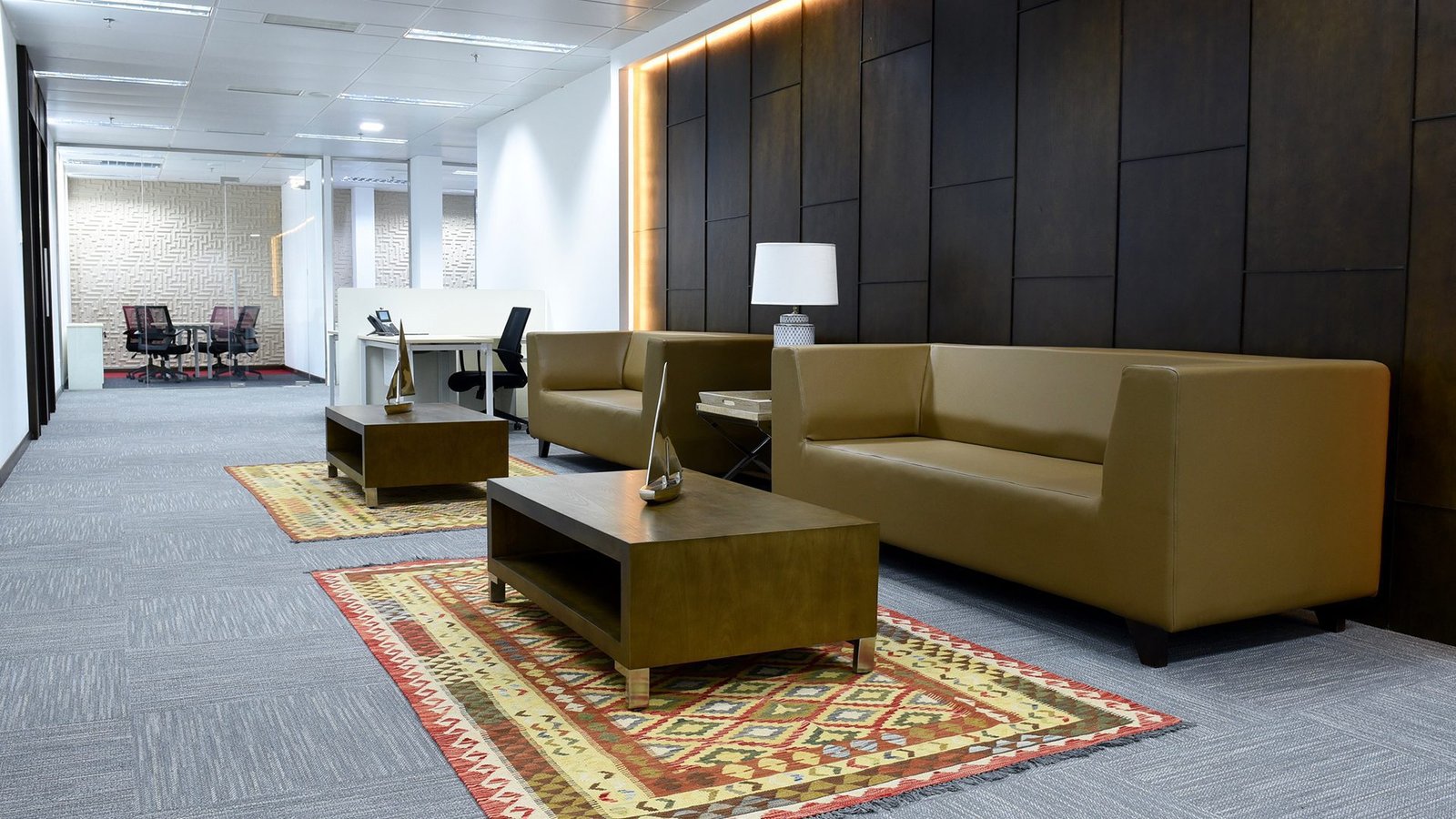
Natural materials such as wood, stone, textured fabrics, and metal accents create a more sophisticated atmosphere.
6. Too Many Decorative Accessories
Decorative objects should enhance a space, not dominate it.
When shelves, tables, and walls are filled with excessive ornaments, the interior begins to look chaotic.
Professional designers often follow a simple rule:
Use fewer accessories, but choose better ones.
Strategically placed artwork or sculptures can create a much stronger visual impact than cluttered décor.
7. Poor Colour Coordination
Colour selection has a powerful psychological and visual effect on interior spaces.
Common mistakes include:
- Using too many strong colours in one room
- Combining colours that clash
- Ignoring the influence of natural light
Most luxury interiors rely on a controlled colour palette, often built around neutral tones with subtle accent colours.
This approach creates timeless elegance.
8. Cheap or Incorrect Curtain Design
Curtains play a major role in defining the overall elegance of a space.
Common mistakes include:
- Curtains that are too short
- Thin or low-quality fabrics
- Poor installation
Interior designers typically recommend full height curtains installed from ceiling to floor, which visually increases the height of the room and adds sophistication.
9. Lack of a Clear Interior Design Concept
Many homes are designed without a cohesive design concept.
For example:
- Modern furniture combined with classical elements
- Industrial lighting in tropical interiors
- Random design ideas copied from social media
A successful interior always follows a clear design language where architecture, furniture, materials, and lighting work together cohesively.
10. Trying Too Hard to Look Luxurious
Ironically, the biggest mistake people make is trying too hard to create luxury.
Excessive decoration, gold finishes, heavy ornamentation, and over designed spaces often feel artificial.
True luxury is defined by:
- Simplicity
- Proportion
- Quality materials
- Thoughtful detailing
Timeless design is always more powerful than temporary trends.

I am Chinthaka Dayaratne as a Chartered Architect and Interior Designer in Sri Lanka, I specialize in creating modern, progressive spaces that seamlessly blend the interior and exterior bringing a futuristic experience to life today.